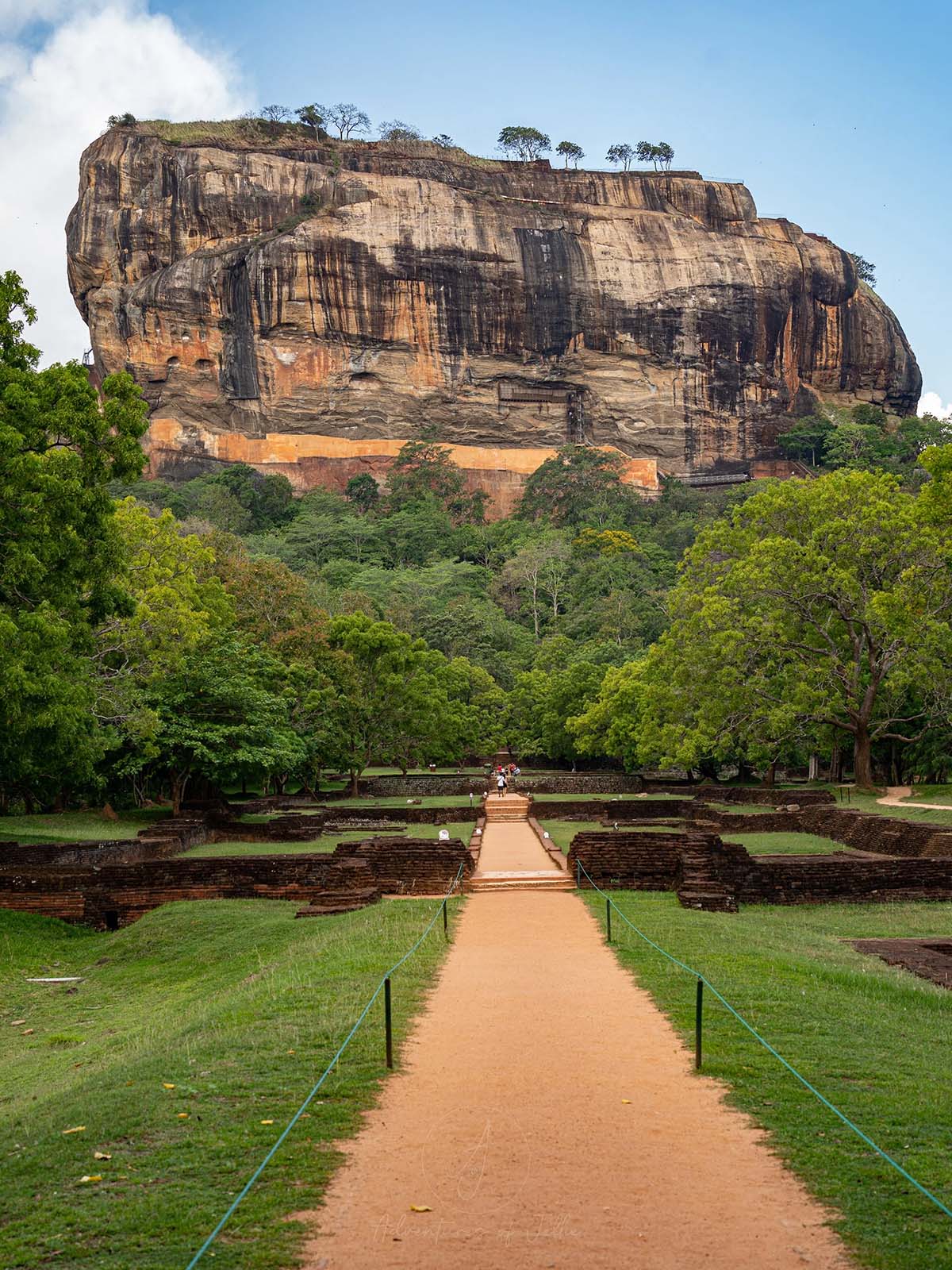
Sigiriya, often called the Eighth Wonder of the World, stands as one of Sri Lanka’s most iconic and breathtaking landmarks. Rising dramatically from the plains of the Cultural Triangle, this ancient rock fortress combines history, architecture, engineering, and natural beauty in a way few places in the world can match. Every year, thousands of travellers from around the globe climb its legendary steps to witness the panoramic views, explore its ancient ruins, and discover the remarkable story behind this UNESCO World Heritage Site.
Sigiriya is more than a rock—it is a symbol of Sri Lanka’s cultural heritage. The site captures the brilliance of ancient craftsmanship, the ambition of kings, and the deep artistic values of a civilisation that flourished more than 1,500 years ago. From lush water gardens to intricately painted frescoes, from the towering Lion Gate to the royal summit palace, Sigiriya offers a journey through time unlike any other.
A Legendary Past: The Story of King Kashyapa
The history of Sigiriya is as dramatic as its appearance. Built in the 5th century by King Kashyapa, the rock fortress served as a royal citadel during his brief but eventful reign. The story begins with Kashyapa, a prince who seized the throne from his father, King Dhatusena, after overthrowing him—fuelled by ambition and political tension. To protect himself from potential revenge by his brother Moggallana (the rightful heir), Kashyapa sought a fortress that would be nearly impossible to conquer.
He chose Sigiriya—an immense rock rising 200 meters above the surrounding landscape.
Under Kashyapa’s direction, Sigiriya was transformed into a magnificent royal city, complete with:
-
Elaborate water gardens
-
Symmetrical landscaping
-
Ingenious hydraulic engineering
-
Ornate frescoes
-
A magnificent palace on the summit
This masterpiece of ancient urban planning stands as a testament to the creativity and engineering skill of Sri Lanka’s early civilisation.
However, the reign of Kashyapa ended tragically when Moggallana returned with an army. Kashyapa, defeated and abandoned, took his own life. After his fall, Sigiriya became a Buddhist monastery, preserving much of its heritage until today.
The Magnificent Sigiriya Rock Fortress
1. The Water Gardens
As you enter the site, the first view is surprisingly serene—perfectly laid-out gardens featuring intersecting pathways, pools, fountains, and bathing tanks. These gardens are among the oldest landscaped gardens in the world, showcasing advanced hydraulic systems that still function during the rainy season.
What makes the water gardens extraordinary is their symmetry and innovation:
-
Underground channels feed water into fountains
-
Wide moats provide both protection and beauty
-
Still ponds reflect the towering rock above
This harmonious blend of engineering and artistry sets the tone for the entire Sigiriya experience.
2. The Boulder Gardens
Moving closer to the rock, the path transitions into the Boulder Gardens, an area filled with massive ancient stones that create natural passageways and cave shelters. These caves were once used by Buddhist monks long before King Kashyapa transformed Sigiriya into a fortress.
The boulder gardens served two purposes:
-
Aesthetic, adding natural beauty to the landscape
-
Protective, forming a defensive buffer around the rock
Broad stone staircases and winding footpaths lead through this rugged terrain, slowly building anticipation as the rock looms overhead.
3. The Frescoes – A Glimpse of Ancient Artistry
Halfway up the rock, you reach one of Sigiriya’s most iconic features—the Sigiriya frescoes. Painted on a sheltered pocket of the rock, these ethereal images depict celestial maidens, often interpreted as apsaras or attendants of the royal court.
The frescoes are known for their:
-
Graceful poses
-
Vivid colours
-
Artistic softness
-
Intricate jewellery and floral motifs
Although only a portion of the original murals survive today, they remain one of the greatest masterpieces of ancient Sri Lankan art.
4. The Mirror Wall
Next, you reach the Mirror Wall, once polished so highly that the king could see his reflection as he walked by. Over centuries, visitors carved poems and thoughts into its surface, forming one of the oldest examples of “social media” or graffiti in world history.
These inscriptions—dating from the 8th to 10th centuries—include:
-
Love poems
-
Reflections on beauty
-
Reactions to the frescoes
-
Observations on nature
The Mirror Wall is a unique window into the emotions and impressions of ancient travellers.
5. The Lion Staircase
At the final ascent is Sigiriya’s most iconic structure—the Lion Gate or Lion Staircase. Originally, a massive figure of a seated lion stood here, with visitors entering the summit through its open mouth.
Today, only the paws remain, but they still convey the grandeur and symbolism of Kashyapa’s vision:
-
A fortress protected by the power and majesty of a lion
-
A powerful symbol of royalty and strength
Standing between these giant paws is one of the most iconic photo opportunities in Sri Lanka.
6. The Summit – The Royal Palace
Reaching the top is an achievement in itself, rewarded with sweeping views of forests, lakes, and distant mountains. At the summit, the ruins of King Kashyapa’s palace complex stretch across the flat rock surface.
The remains include:
-
Foundation outlines of the palace
-
Large water reservoir
-
Throne-like seat carved into the rock
-
Panoramic viewpoints in every direction
This is where Kashyapa lived, ruled, and gazed across his kingdom. The peaceful atmosphere today makes it hard to imagine the political intrigue and drama that once unfolded here.
A Natural and Cultural Wonder
Sigiriya is not only an archaeological treasure—it is also a haven for nature lovers. The surrounding area teems with wildlife, including:
-
Monkeys
-
Colourful birds
-
Monitor lizards
-
Butterflies
Lush greenery, forested paths, and distant mountains complete the picture, adding to Sigiriya’s sense of magic and serenity.
The rock itself is a geological marvel, created from hardened magma of an extinct volcano. Over millions of years, erosion shaped it into the massive monolith that stands today.
Sigiriya and Local Culture
The region around Sigiriya offers travellers a chance to experience authentic Sri Lankan rural life. Small villages, rice fields, and lakes create a tranquil atmosphere far removed from busy cities.
Nearby cultural experiences include:
-
Bullock-cart rides through village paths
-
Traditional cooking sessions with local families
-
Catamaran boat rides on peaceful lakes
-
Village walks through farmland and forest
These experiences add depth to your visit, helping you connect with the heritage and people of the region.
Pidurangala Rock – Sigiriya’s Scenic Cousin
Just a short distance from Sigiriya lies Pidurangala Rock, another massive formation offering one of the best panoramic views of Sigiriya itself. Many travellers choose to climb Pidurangala either at sunrise or sunset for spectacular photography.
The climb is slightly more adventurous, with rocky paths and boulders, but the view from the top—Sigiriya silhouetted against the horizon—is truly unforgettable.
When to Visit Sigiriya
Sigiriya can be visited year-round, but certain seasons offer a more pleasant experience.
Best Time: December to April
This period has the most favourable weather—dry, sunny, and ideal for climbing.
Alternative Season: June to September
Although rainfall is possible, crowds are smaller, and the surrounding greenery is lush and vibrant.
Avoid: Heavy Rain
Climbing in heavy rain can be slippery and difficult.
Tips for Travellers Visiting Sigiriya
To make the most of your visit, keep these tips in mind:
-
Visit early in the morning to avoid crowds and heat.
-
Wear comfortable shoes suitable for climbing.
-
Bring water, sunscreen, and a hat.
-
Take your time exploring the gardens and viewing the frescoes.
-
Consider climbing Pidurangala Rock for a different perspective.
-
Hiring a licensed guide helps you understand the history and symbolism.
A typical visit takes 2 to 3 hours, but photography and enjoying the scenery can make it longer.
Accommodation Around Sigiriya
The area has a wide range of accommodations for every budget, including:
-
Eco-lodges
-
Boutique hotels
-
Luxury resorts
-
Budget-friendly guesthouses
Staying overnight allows visitors to explore the region at a relaxed pace and enjoy activities such as village tours, elephant safaris, hot-air balloon rides, or simply watching the sunset over the plains.
Beyond the Rock – Nearby Attractions
Sigiriya is perfectly located for exploring other major cultural sites in Sri Lanka’s Cultural Triangle.
1. Dambulla Cave Temple
Just 20 minutes away, this temple complex features beautifully preserved cave paintings and statues dating back centuries.
2. Minneriya National Park
Famous for “The Gathering,” where hundreds of elephants come together during the dry season.
3. Polonnaruwa Ancient City
A UNESCO World Heritage Site with temples, statues, palaces, and a well-preserved archaeological landscape.
4. Hiriwadunna Village
A picturesque village offering authentic rural experiences.
5. Popham’s Arboretum
A nature reserve ideal for birdwatching and night walks to see the elusive slender loris.
Sigiriya’s location makes it one of the best bases for cultural and wildlife exploration.
Why Sigiriya Is a Must-Visit
Sigiriya’s magic lies in its ability to captivate travellers of all types:
-
History lovers admire its ancient engineering and architectural brilliance.
-
Nature enthusiasts enjoy its wildlife and scenic landscapes.
-
Adventure seekers appreciate the challenge of the climb.
-
Photographers fall in love with its dramatic vistas and golden sunsets.
-
Cultural explorers experience the pride of Sri Lanka’s heritage.
Every step, every view, and every story at Sigiriya adds another layer to the experience.
Conclusion: A Timeless Journey into Sri Lanka’s Past
Sigiriya is far more than a tourist attraction—it is a timeless monument to the creativity, ambition, and vision of ancient Sri Lanka. Climbing the Lion Rock is like stepping into history, where every staircase, carving, and stone tells a story of kings, monks, artists, and dreamers.
From the beauty of the water gardens to the mystery of the frescoes and the breathtaking summit panorama, Sigiriya offers a journey that stays with you long after you leave.
For any traveller exploring Sri Lanka, a visit to Sigiriya is an absolute must—an unforgettable adventure into the very heart of the island’s cultural heritage.