Yala National Park, located in the southeastern region of Sri Lanka, is the country’s most famous wildlife destination and one of the finest national parks in Asia for safari adventures. Covering nearly 1,000 square kilometers of protected land, Yala is a vibrant world of forests, grasslands, lagoons, rocky plains, and sandy beaches—each providing a unique habitat for the remarkable wildlife that calls it home.
Renowned especially for having the highest density of leopards in the world, Yala attracts travellers from every corner of the globe. Whether you’re a wildlife photographer, a nature lover, or someone seeking a once-in-a-lifetime adventure, Yala offers an unparalleled opportunity to experience the beauty, power, and mystery of Sri Lanka’s wild landscapes.
This is not just a national park—it is a living sanctuary where nature thrives, animals roam free, and every safari tells a different story.
The History and Significance of Yala
Yala’s roots extend deep into Sri Lanka’s ancient past. Historically known as “Ruhuna,” the region played an important role in early Sinhalese civilisation, filled with agricultural settlements, ancient monasteries, and royal hunting grounds. Archaeological remains scattered throughout the park—including temples, stupas, and monastic caves—are a reminder of the rich cultural heritage that once flourished here.
Yala was designated as a wildlife sanctuary in 1900 and officially declared a national park in 1938. Over the decades, it has become a cornerstone of Sri Lanka’s conservation efforts, preserving ecosystems that support both endangered and endemic species.
Today, Yala stands as one of the most visited and protected natural reserves in the country, offering travellers a rare opportunity to witness Sri Lanka’s wildlife in its purest form.
A Landscape Full of Diversity
Yala is divided into several blocks, each with its own geography and character. Block 1, the most popular and accessible area, is best known for its wildlife sightings, especially leopards and elephants. Other blocks offer quieter, more private safari experiences, though they may be less frequented.
The park features a stunning variety of landscapes, including:
- Dense dry-zone forests
- Open plains and grassy savannas
- Marshes and wetlands
- Coastal sand dunes
- Natural lakes and man-made water tanks
- Rocky outcrops and boulder formations
This diversity creates a rich tapestry of habitats that support the animals and plants that make Yala so unique.
The Wildlife of Yala: A Natural Treasure
1. Leopards – The Stars of Yala
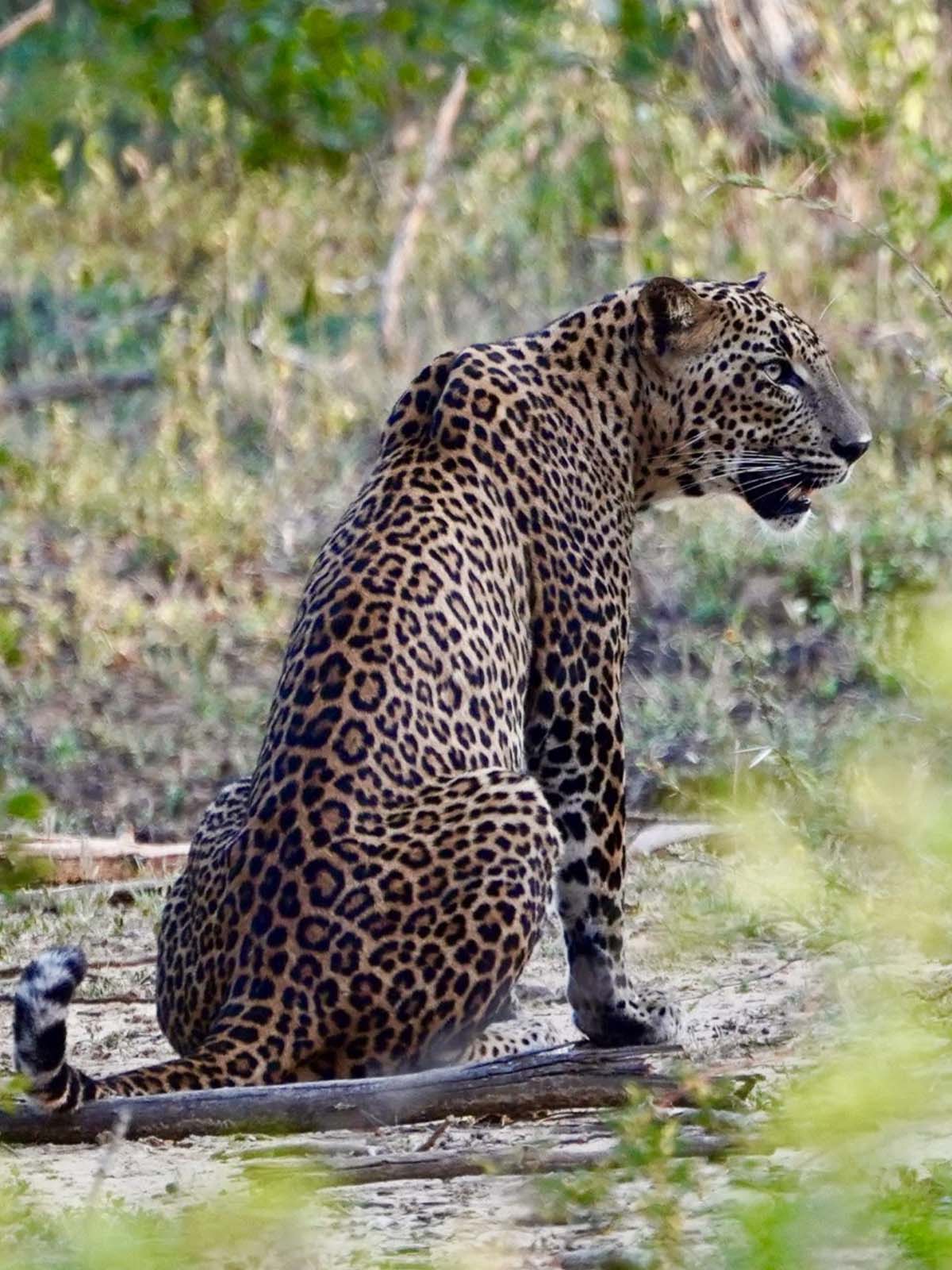
Yala’s most famous inhabitants are its majestic Sri Lankan leopards (Panthera pardus kotiya), a subspecies found only on the island. With the highest density of leopards anywhere in the world, Yala offers exceptional opportunities to spot these elusive predators.
Safaris often encounter leopards resting on branches, patrolling their territory, or lazily stretching on rocky outcrops. Their confidence around safari vehicles makes sightings even more thrilling and photogenic.
2. Elephants – Kings of the Forest
The park is also home to large populations of Sri Lankan elephants. These gentle giants are often seen:
- Bathing in lakes
- Feeding on shrubs
- Travelling in herds
- Caring for their young
Seeing elephants in their natural habitat is one of the most unforgettable experiences in Yala.
3. Sloth Bears – Rare and Remarkable
The Sri Lankan sloth bear, a highly endangered species, is one of Yala’s rarer sightings. These shaggy, slow-moving bears are often seen during fruiting seasons, especially when palu trees are abundant.
4. Birdlife – A Paradise for Birdwatchers
Yala is also a sanctuary for over 200 species of birds, making it a paradise for bird lovers. Among the most notable are:
- Peacocks
- Painted storks
- Jungle fowl (Sri Lanka’s national bird)
- Eagles and hawks
- Pelicans
- Hornbills
- Endemic species like the Sri Lanka grey hornbill and the brown-capped babbler
Migratory birds also flock to Yala during the northern winter, transforming the lakes into colourful spectacles.
5. Reptiles and Smaller Creatures
The park is home to:
- Crocodiles
- Monitor lizards
- Several species of snakes
- Turtles
- Frogs and amphibians
These species contribute to Yala’s rich biodiversity and play important roles in maintaining ecological balance.
6. Other Mammals
Yala is home to dozens of mammal species including:
- Spotted deer
- Sambar deer
- Wild boar
- Jackals
- Water buffalo
- Hanuman langurs
- Toque macaques
Each encounter adds another layer of excitement to your safari experience.
The Magic of a Yala Safari Experience
A safari in Yala is not just a drive through the wilderness—it is an immersive adventure from the moment you enter the park. The thrill of exploring the jungle in a 4×4 jeep, the sounds of the forest, and the anticipation of spotting wildlife create an atmosphere unlike any other.
Early Morning Safari
The early morning safari begins just after sunrise, when the forest is cool and animals are most active. Leopards are often seen hunting or patrolling their territory at this time. The golden light filtering through the trees creates perfect photography conditions.
Afternoon Safari
The afternoon safari offers a serene experience as the sun sets over the lakes and plains. Elephants often emerge from the shade to drink and bathe, while birds gather near the water.
What Makes a Safari Special
- The unpredictability—every safari is different
- Close-up wildlife sightings
- Expert trackers and guides
- Stunning natural scenery
- Exciting off-road routes
- Beautiful moments of silence in nature
Whether it’s watching a leopard stretch on a rock, seeing a herd of elephants protect their young, or witnessing the vibrant colours of a peacock dancing, the memories created in Yala last a lifetime.
Yala’s Coastal Beauty
Yala is one of the few national parks in the world that borders the ocean. The southeastern coastline features:
- Pristine sandy beaches
- Coastal dune landscapes
- Quiet shoreline areas
The famous Kumana Bird Sanctuary and Kudumbigala Monastery are located nearby, adding cultural depth to the coastal region.
The beach areas within the park are usually quiet and untouched, offering breathtaking views of the Indian Ocean and perfect sunset moments. Although swimming is not allowed due to safety concerns, the scenery alone is worth the visit.
Cultural and Historical Highlights in Yala
Beyond wildlife, Yala holds a treasure trove of historical and cultural sites.
1. Sithulpawwa Rock Temple
A centuries-old Buddhist monastery perched atop a rock, offering peaceful surroundings and panoramic views. The temple is believed to have housed thousands of monks in ancient times.
2. Magul Maha Viharaya
An ancient temple complex associated with the wedding of King Kavantissa and Queen Viharamahadevi. The ruins include stone pillars, moonstones, and stupas.
3. Kataragama Shrine (Nearby)
Located just outside Yala, this famous multi-religious pilgrimage site is revered by Buddhists, Hindus, and Muslims. Its cultural significance makes it an essential stop for travellers.
These sites highlight the deep cultural roots of the Ruhuna region, blending spirituality with history.
When to Visit Yala National Park
Yala can be visited throughout the year, but certain seasons offer better wildlife viewing.
Best Time: February to July
This is the dry season, when animals gather around water holes, making sightings more frequent.
Good Period: November to February
The park is lush and green with moderate wildlife activity.
Avoid: September to October
Yala usually closes for maintenance and conservation during this period, depending on rainfall.
Tips for an Unforgettable Yala Experience
To make the most of your trip:
- Book your safari early, especially during peak seasons.
- Choose a licensed and experienced safari guide.
- Wear comfortable clothing and avoid bright colours.
- Bring a camera, binoculars, sunscreen, insect repellent, and water.
- Maintain silence during sightings to avoid disturbing wildlife.
- Respect park rules and avoid littering.
The more patient and observant you are, the more magical the experience becomes.
Accommodation Near Yala
The Yala region offers a wide range of places to stay, from simple guesthouses to luxury hotels.
Popular accommodation options include:
- Safari lodges
- Eco-friendly camps
- Luxury tented camps
- Boutique hotels
- Budget bungalows
Staying close to the park entrance makes early-morning safaris easier and more enjoyable.
Many accommodations offer:
- Outdoor dining
- Nature walks
- Campfire evenings
- Birdwatching tours
- Night safaris (in designated areas)
The ambiance of the wilderness adds to the overall charm of the trip.
Other Attractions Around Yala
The region surrounding Yala is rich with scenic beauty and cultural significance.
1. Tissamaharama
A beautiful town with ancient stupas and a large lake perfect for birdwatching.
2. Kirinda Beach
A quiet coastal village with a stunning beach and a historic Buddhist temple.
3. Kumana National Park
A paradise for bird enthusiasts, offering quieter and more private safaris.
4. Bundala National Park
A wetland sanctuary known for flamingos and migratory birds.
5. Debarawewa & Weerawila Lakes
Ideal for evening boat rides and wildlife photography.
These attractions make the Yala region perfect for multi-day explorations.
Why Yala Is a Must-Visit Destination
Yala National Park stands out as one of the most exhilarating and immersive wildlife destinations in the world. Its unique combination of:
- High leopard density
- Large elephant herds
- Diverse birdlife
- Stunning landscapes
- Ancient history
- Beautiful coastline
…makes it a truly unmatched experience.
For travellers willing to explore the wild heart of Sri Lanka, Yala offers everything—adventure, serenity, beauty, and unforgettable encounters with nature.
It’s more than just a safari; it is a journey into the ancient, untamed rhythm of the natural world.
Conclusion: A Journey into the Wild
Yala National Park captures the essence of Sri Lanka’s wildlife and natural beauty. Every safari is a reminder of the delicate balance between humans and nature, and a celebration of the life that thrives within the wilderness.
From the majestic leopard to the gentle elephant, from the call of the peacock to the rustling trees under the morning sun, Yala is a living, breathing world that invites travellers to slow down, observe, and feel the pulse of the natural world.
Visiting Yala is not just a trip—it is an experience that stays with you forever. A reminder of how beautiful, powerful, and precious the wild truly is.